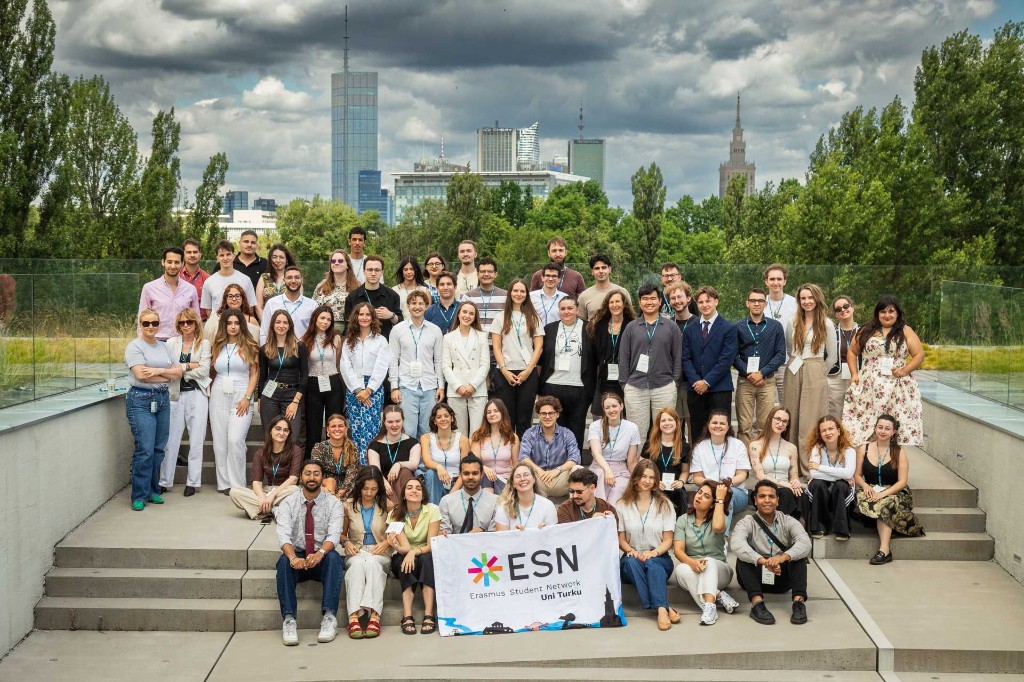
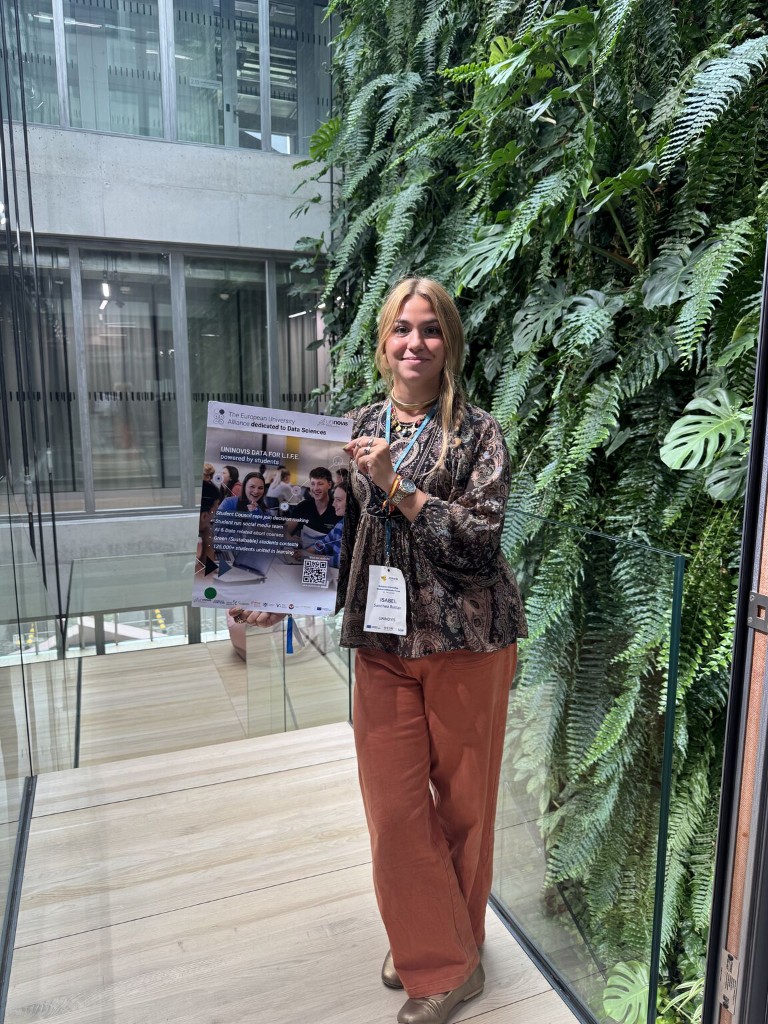
From 2 to 4 July, Isabel Sanchez Rotllan, UNINOVIS representative from The Hague University of Applied Sciences, joined student ambassadors and alliance staff from across Europe at the European Universities Student Ambassador Forum (EUSAF) 2026, hosted at SGH Warsaw School of Economics as part of the EUC Voices project. Over three days of workshops, poster presentations, networking sessions and a closing panel, the forum set out to strengthen how student ambassadors contribute to the life of their European University Alliances — and, by extension, how alliances like UNINOVIS engage the students they represent.
The forum's onboarding material frames the ambassador role around six goals: knowledge-sharing, collaboration, community-building, identity, networking and multiplication. Delivered well, these translate into concrete benefits for an alliance — stronger student engagement, leadership development among participants, clearer communication channels, deeper cooperation between partner institutions, and greater overall visibility for the alliance itself.
Students as co-creators, not just participants
One of the clearest messages to emerge from Warsaw was that the alliances getting the most out of their student ambassador networks are the ones that involve students not merely as an audience, but as active contributors to governance, communication and project development. Student ambassadors, in this model, become a channel through which an alliance can stay visible, accessible and genuinely connected to what students actually need.
The priority now is to move from visibility to implementation: funded mobility, credit-bearing opportunities, a solid and tangible platform, and a recognised ambassador network.
Turning recommendations into alliance-level action
A theme that resurfaced across nearly every workshop was the gap between good recommendations and real follow-through. Sessions repeatedly returned to the same practical questions: how to connect strategic priorities across institutions, how to mobilise universities behind shared initiatives, how to build lasting communities of alumni, European Student Ambassadors and EUSAF ambassadors, and how to secure funding from alliances to support mobility and Blended Intensive Programme (BIP)-style formats.
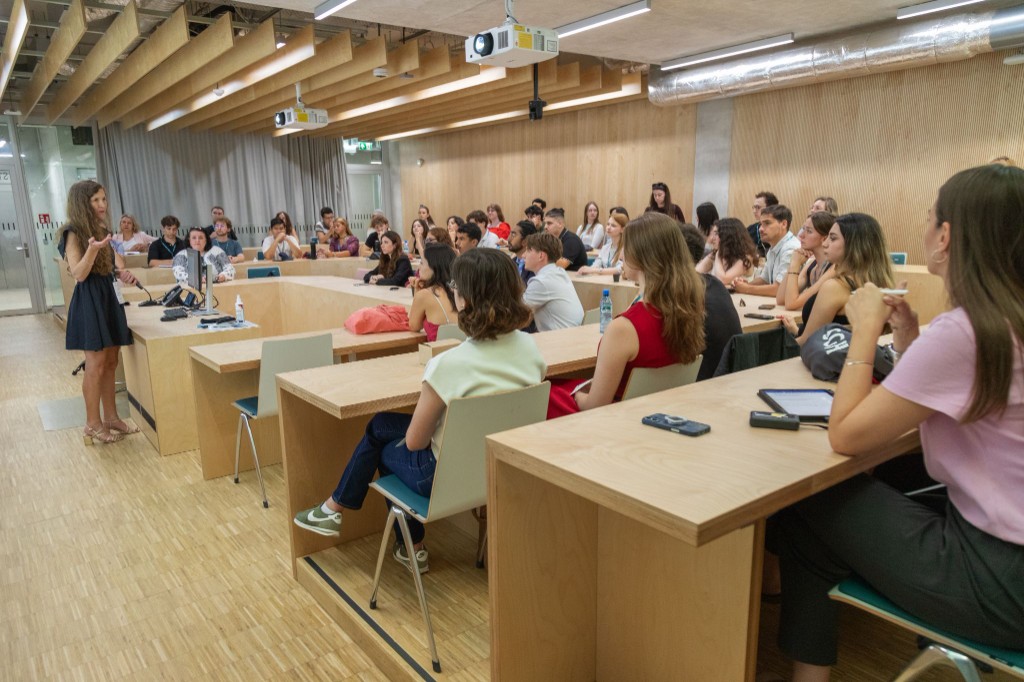
For UNINOVIS, the most directly relevant opportunity is the development of short, flexible, credit-bearing learning formats. Other alliances offered working examples worth studying: ECIU's challenge-based learning model and its micro-modules, in which students from across Europe collaborate on real-life societal problems, stood out as a template that could be adapted to UNINOVIS's own thematic hubs. BIPs are similarly relevant, since they combine online collaboration with a short period of physical mobility and can draw on Erasmus+ mobility funding — making them a realistic, fundable next step rather than a purely aspirational one.
What this means for UNINOVIS
Four concrete steps emerged from the trip as immediate priorities for the alliance.
Map what exists
Build a clear internal overview of current ambassadors, student councils, alumni networks, communication channels and mobility opportunities so future initiatives build on what exists rather than duplicating it.
Fund participation
Ask the alliance to allocate dedicated funding for student ambassador participation in future EUC Voices activities — covering ESA, EUSAF and any BIPs that follow.
Pilot a BIP
Explore a pilot BIP or hybrid course tied to a thematic hub: an ECTS-bearing programme combining online preparation, a short in-person mobility week, and a final student output.
Communicate clearly
Build a stronger, student-facing communication plan explaining what UNINOVIS is, what students can access, how they can get involved, and what they stand to gain.
Looking ahead
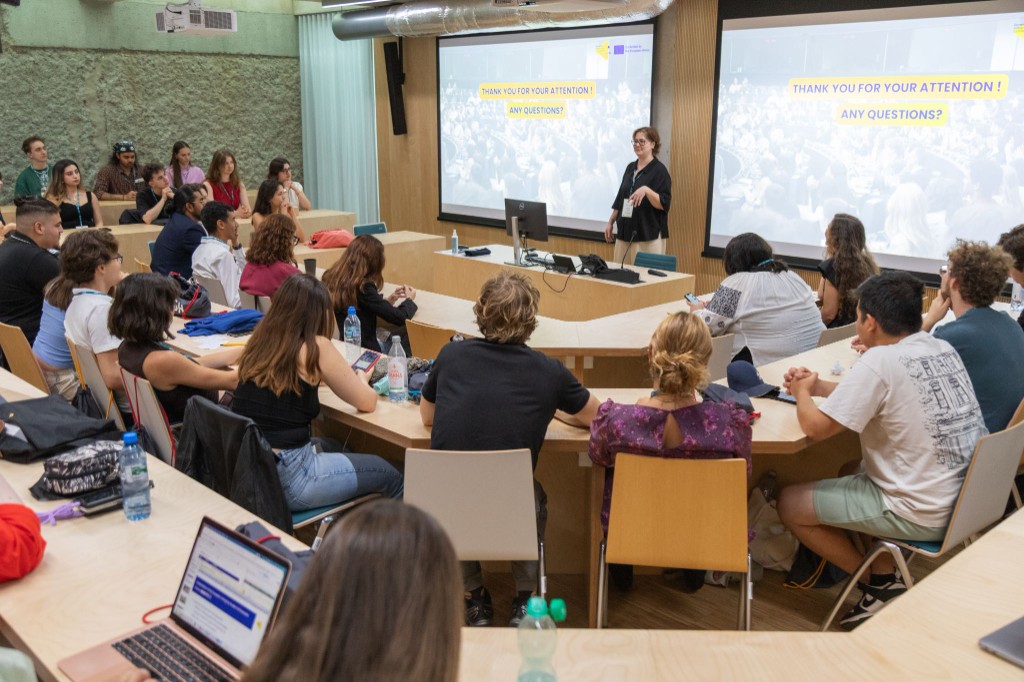
EUSAF 2026 confirmed something UNINOVIS has increasingly recognised in its own work: student engagement cannot remain a side activity bolted onto alliance communications. It needs to become structural. The task now is to carry the energy and ideas from Warsaw into concrete deliverables — funded mobility, credit-bearing opportunities, and a student ambassador network that partner institutions and students alike can rely on.