Data is a skill, and this year’s Erasmus Days was all about skills. From 12 until 17 October, the 10th edition of the festival celebrated the Erasmus+ program under the theme “Learning and growing: skills for tomorrow”. Nearly 11.000 events were registered across 95 countries and territories. For UNINOVIS – Data for L.I.F.E., this theme could hardly have been closer to home.
This year's edition followed the European Commission's Union of Skills initiative and put four topics in the spotlight: basic skills (literacy, mathematics, science, digital and citizenship), digital education, the role of teachers and trainers, and cooperation between institutions.
UNINOVIS on the ground
At Sorbonne Paris Nord, UNINOVIS took center stage on October 13th. Information stands invited students to discover courses, internships and international projects across the eight partner universities. In the afternoon, an information session titled “Engagement and opportunities within UNINOVIS” gave students a closer look at how to get involved, and staff joined an online session on the alliance's priorities for 2026–2027.
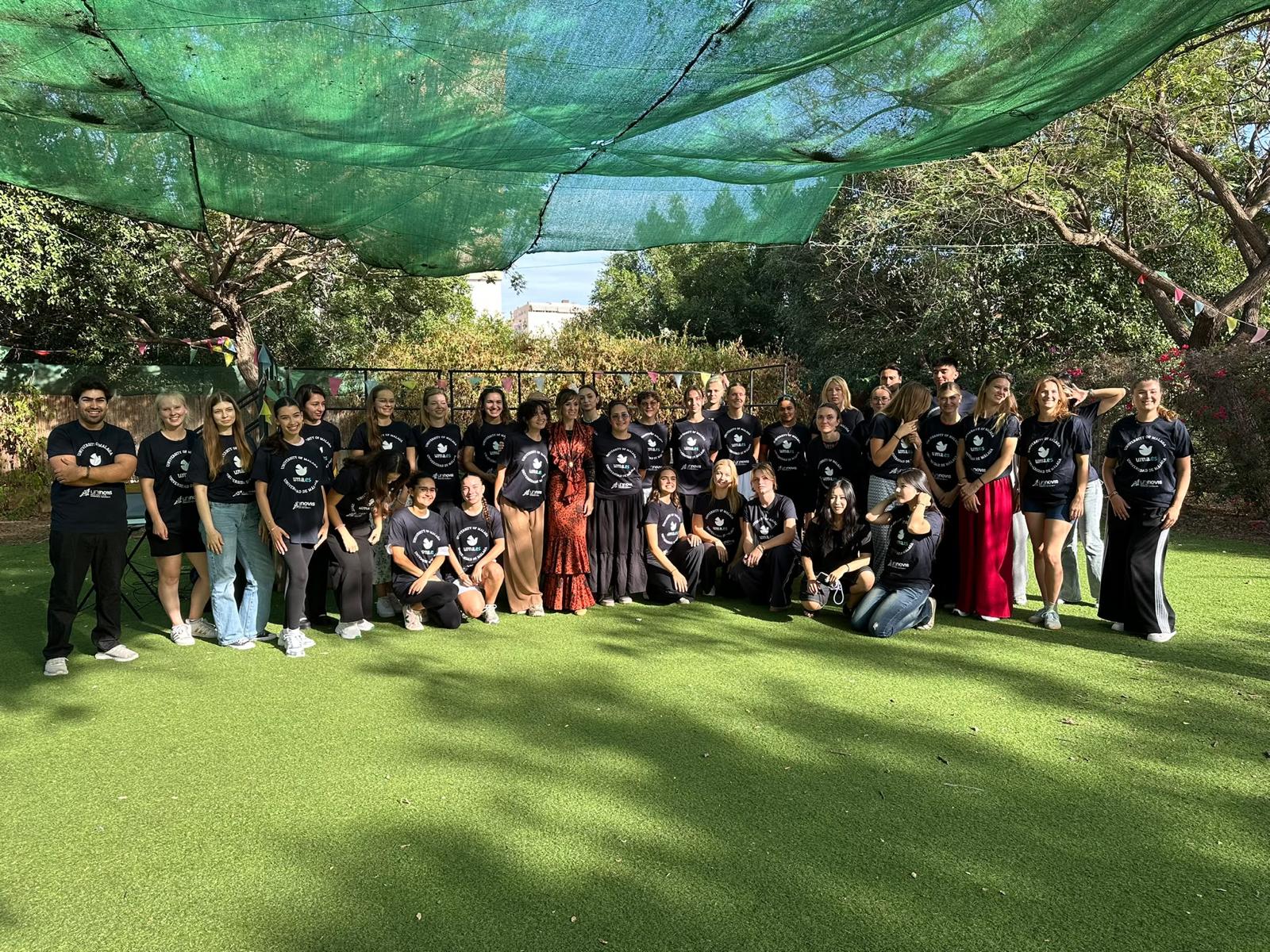
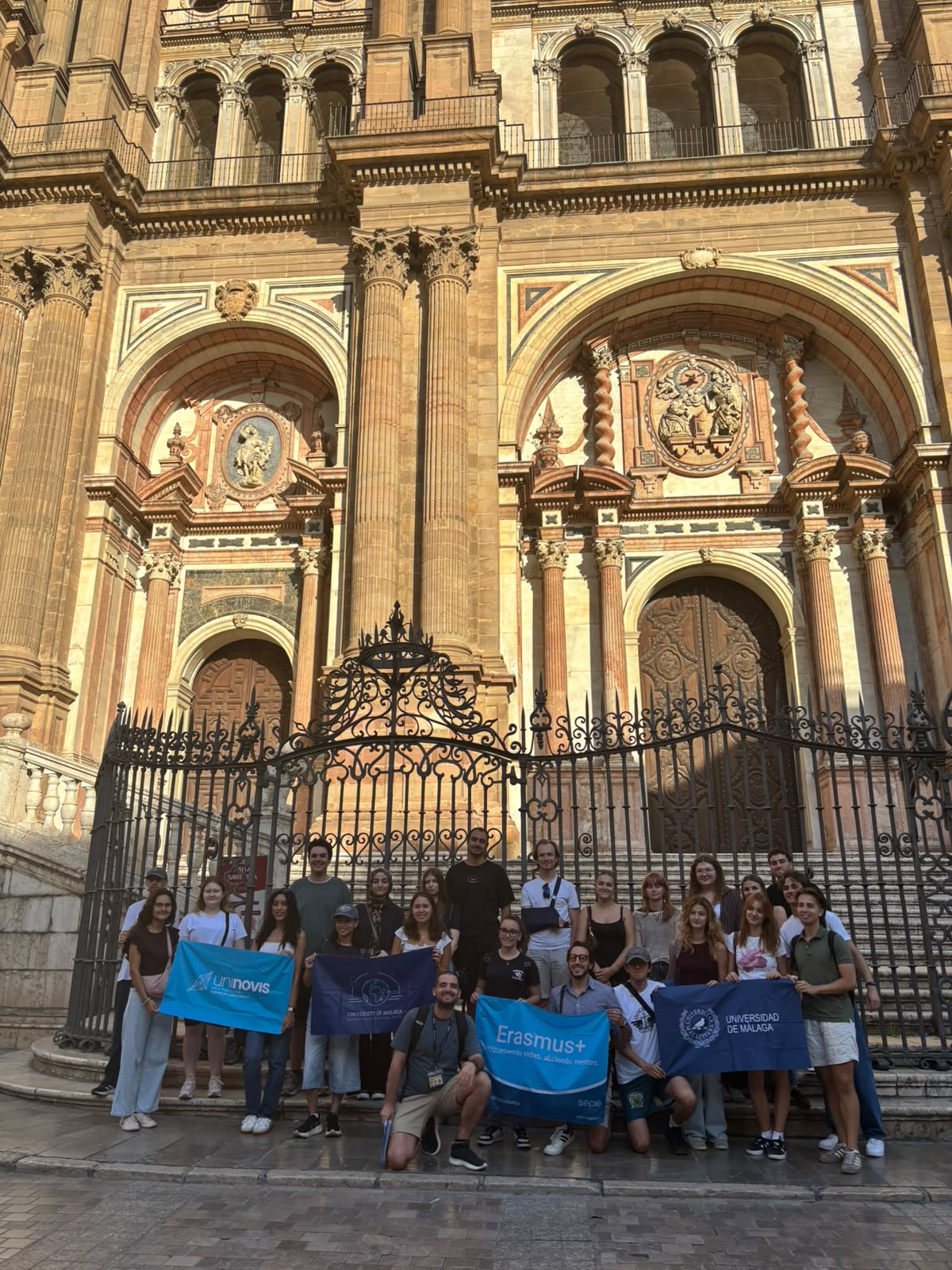
In Spain, the University of Málaga marked Erasmus Days on October 16th with a cultural and intercultural day in Ronda, bringing international and local students together to build connections through heritage and shared experience. It was a good reminder that going abroad is about the people you meet as much as the courses you take.
The University of Campania Luigi Vanvitelli ran its own Erasmus week from the 12th to 19th of October. Its video series followed Vincenzo, a clinical, dynamic psychology student, who extended his exchange from six months to a year and sums up what he gained in one word: autonomy. In a joint post with the alliance, The University of Campania added that he discovered UNINOVIS Data for L.I.F.E. during the week, which shows how an Erasmus Days stand can open doors, students did not know existed.
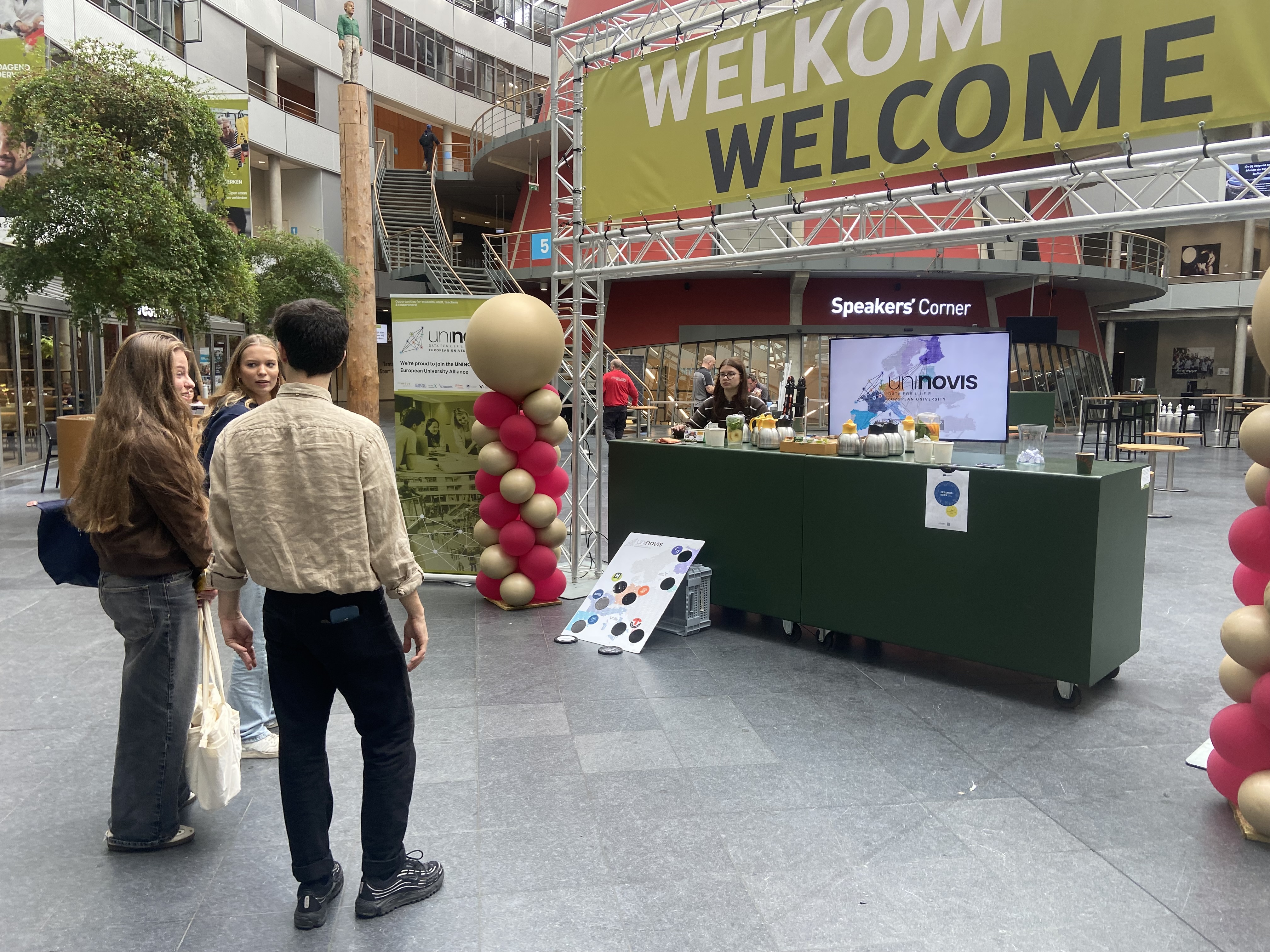
At The Hague University of Applied Sciences (THUAS), they brought the alliance to life with a game called “Aim for the Alliance”. A printed map of Europe was glued onto a cardboard board with one hole for each partner university, marked with its name or logo, and passers-by took turns to toss a bean bag at the map. Every player got three throws, and each hit on a hole earned a fact about that university and a chocolate or a coffee or tea. It was a light-hearted way to put the partner universities on the map, literally, and to start conversations about UNINOVIS.
Why data skills belong on every résumé
The Erasmus Days message on digital education applies to every field. A literature student who can read a dataset, a nursing student who understands how health data is processed, a design student who can test a decision against evidence: all of them stand out in a labor market that increasingly expects people to work with data responsibly.
This is the idea behind the UNINOVIS Data for L.I.F.E. themes. Data competence is a transferable skill that sits next to language, teamwork and intercultural experience, the very skills participants at Erasmus Days events were encouraged to put into words for employers. Studying data in an international setting adds something a résumé line cannot capture: proof that you can apply those skills in a different country, with different colleagues and a different academic culture.
Mobility made easy
The second message we carried through the week was practical: going abroad should not be complicated. Through UNINOVIS, students at member universities can explore courses, internships and international projects at seven other partner institutions, and the alliance lists opportunities such as Blended Intensive Programs on its mobility platform. Applications and nominations go through your home university, so the first step is simple: talk to your international office.
Short formats like BIPs are a low-threshold way to start. They combine an online component with a short stay abroad, and they fit alongside a regular study program.
What's next
Erasmus Days only last six days, but the work behind them runs all year. As the Commission pushes for a larger Erasmus+ budget for 2028–2034, alliances like UNINOVIS have a clear role to play: turning European cooperation into concrete options for students and staff, in the field where Europe needs skills most.